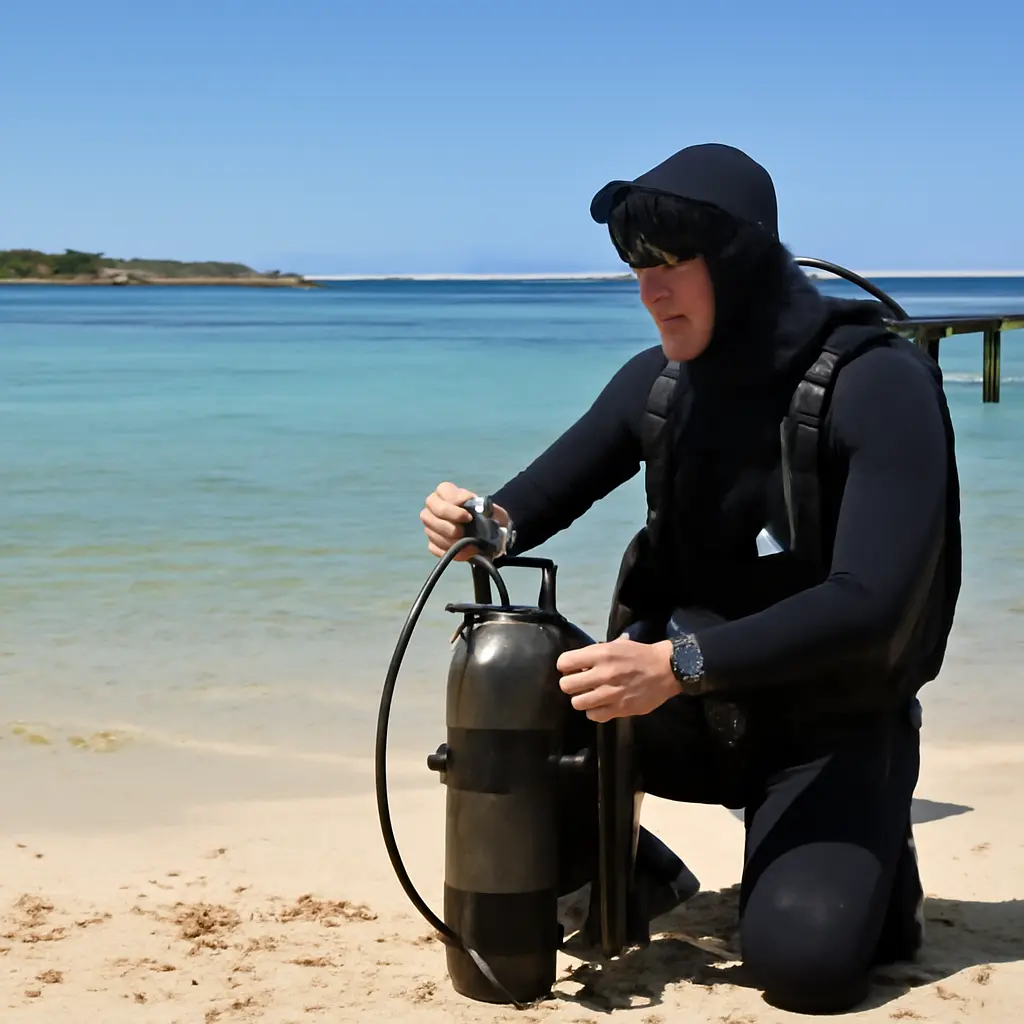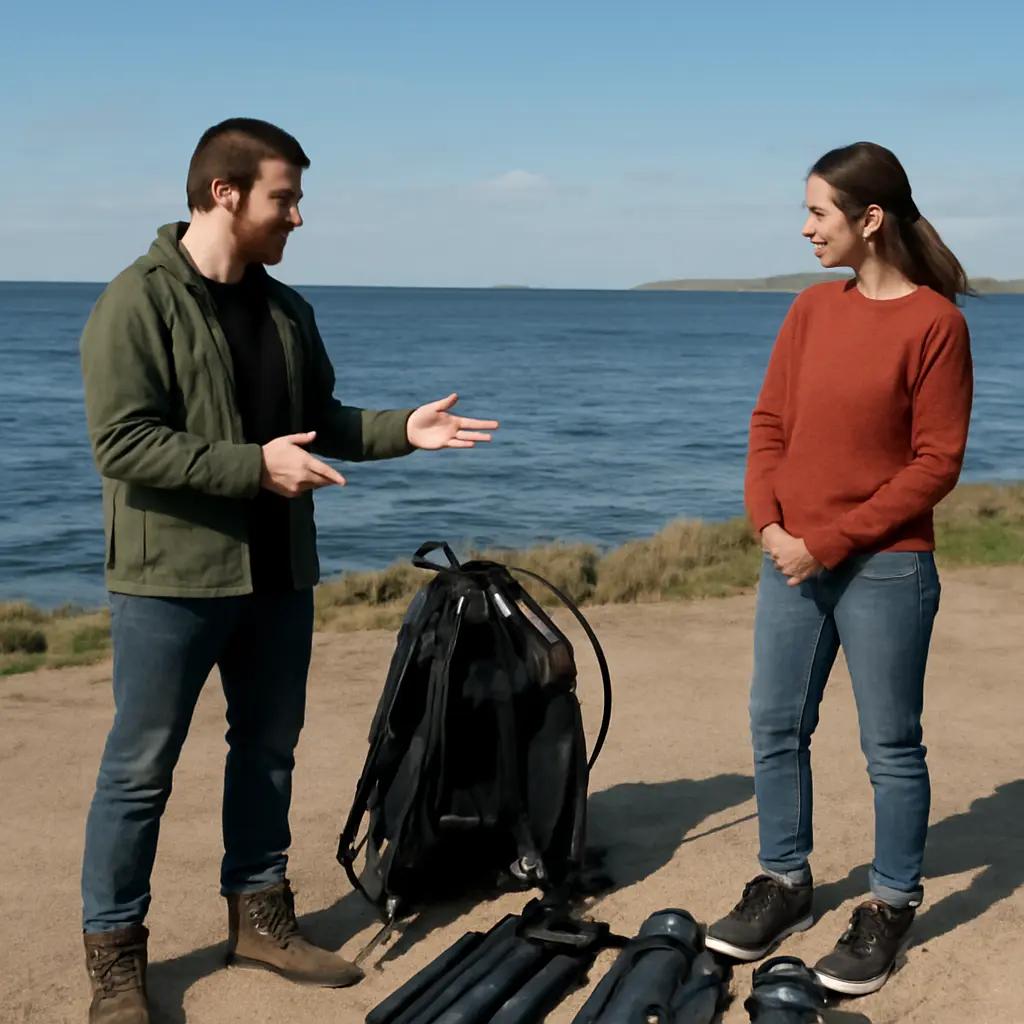
A scuba diving school is a training provider that teaches the knowledge and practical skills divers need to use breathing equipment safely underwater. The best school for you is one that follows a recognized certification system, provides qualified instructors and well-maintained equipment, and gives you enough supervised practice to meet the course standards—not simply the one with the lowest price or fastest schedule. These criteria matter: the Divers Alert Network (DAN) recorded 16 recreational scuba fatalities in the United States and Canada in its 2022 reporting year, a reminder that sound training and careful decisions are essential. Compare certification, instructor quality, safety procedures, course structure, equipment, and student feedback before enrolling.
Certification standards define a scuba diving school’s training quality
A scuba school’s certification standard is the training framework it follows to teach, assess, and certify divers. The Professional Association of Diving Instructors (PADI) describes its courses as standards-based training, while the World Recreational Scuba Training Council (WRSTC) publishes minimum training standards used by participating recreational training organizations. A certification card documents training, but the card alone does not prove that a diver is ready for every depth, environment, or condition.
Ask which agency issues the certification, whether it is recognized by dive operators where you plan to dive, and what performance requirements apply. The International Organization for Standardization’s recreational diving standards include requirements for introductory training, open-water diver training, and instructor qualifications. Standards can set a baseline; a good school still needs to deliver the required practice carefully and assess each student individually.
Beginner certification and entry-level training
Entry-level courses—often called Open Water Diver or an equivalent certification—combine theory, confined-water skill practice, and open-water dives. Students learn core concepts such as pressure, buoyancy, equipment use, communication, and basic emergency responses. Before paying, request the written schedule and confirm how many in-water sessions are included, where the open-water dives take place, and what happens if you need additional practice.
A short course can be legitimate if it meets the agency’s standards and allows enough time for each student to demonstrate the skills. Be cautious of promises that guarantee certification regardless of performance. Training should be competency-based: the instructor should provide coaching and more practice when needed, not waive skills to keep to a timetable.
Continuing education and specialized courses
Continuing-education courses build on entry-level training in areas such as navigation, buoyancy, rescue skills, night diving, or drysuit use. They are not substitutes for experience, and some require prior certifications or logged dives. Match the course to a real goal—for example, cold-water training before diving in a drysuit—and ask what prerequisites and practical sessions it includes.
Technical diving, cave diving, and deep diving require additional, specialized preparation and equipment. A recreational certification should not be treated as authorization for these activities. A responsible school will explain training limits and recommend a suitable progression rather than encouraging a student to advance beyond their experience.
Instructor qualifications and supervision shape the learning experience
Instructor quality means more than holding a current teaching credential. It includes the ability to explain skills clearly, recognize student stress, provide individual feedback, and supervise dives within appropriate limits. WRSTC standards set minimum qualifications for recreational instructors, but prospective students should also ask about an instructor’s recent teaching experience and familiarity with the local conditions.
There is no single class-size number that guarantees good instruction in every setting. The relevant questions are whether the group size complies with the training agency’s rules and whether the instructor can monitor every student safely. Ask who will teach each session, how assistants are used, and whether you can receive extra coaching if a skill is difficult.
Instructor credentials and local experience
A qualified instructor should be able to identify their training agency, instructor status, and the certification they will issue. Ask how often they teach the course and whether they have experience with the planned training site. Local familiarity can help instructors prepare students for visibility, temperature, currents, entries, and exits, but it does not replace formal qualifications or sound supervision.
You can also ask how the instructor adapts teaching for different learning needs and what happens if weather or water conditions make a planned session unsuitable. Clear answers show that the school treats training as a learning process rather than a package to complete at any cost.
Student-to-instructor attention and feedback
Effective supervision gives students enough opportunity to practise while allowing the instructor to keep track of the whole group. Ask for the maximum student-to-instructor ratio for each part of the course, including confined-water and open-water sessions, and whether certified assistants will be present. Ratios may vary by agency rules, training environment, and use of assistants, so verify the specific arrangement rather than relying on a general claim.
Look for a school that explains how it handles anxiety, missed sessions, and skills that need repeating. A student should feel comfortable asking questions and should never be pressured to continue a dive when they are unwell, uncomfortable, or unsure.
Safety procedures and equipment determine how training is delivered
Safety procedures are the school’s practical measures for preventing problems, responding to emergencies, and maintaining equipment. DAN’s annual diving-fatality reports analyze incidents and identify recurring risk factors; they are a useful reminder that diving safety depends on preparation, health, planning, and decisions made before and during a dive. No school can eliminate risk, but it should be able to explain its procedures in plain language.
Ask how the school checks student fitness to dive, plans dives, monitors conditions, manages buddy teams, and responds to an emergency. DAN and other diving-safety organizations advise divers to plan conservatively, stay within training and experience, and avoid diving when health or conditions make it unsafe. A school should welcome questions about these safeguards rather than dismissing them.
Emergency planning and site selection
An emergency plan identifies how staff will respond to an incident, communicate with emergency services, and access first-aid and oxygen equipment where appropriate. Ask who is responsible for emergency coordination, what equipment is available, and how the plan changes between pool, shore, and boat sessions. The answers should fit the actual training site.
The training site should suit beginners and the day’s conditions. A school may change or postpone a session because of currents, poor visibility, weather, or other hazards. Treat a clear explanation for a delay as a positive sign: a safe schedule should not take precedence over suitable conditions.
Rental gear, inspection, and maintenance
Training equipment typically includes a mask, fins, buoyancy-control device, regulator, tank, and exposure protection appropriate to the environment. Ask how rental gear is inspected, serviced, cleaned, and fitted, and whether students can report equipment concerns before entering the water. Equipment should be in serviceable condition and appropriate for the student and planned dive.
A good school explains how to perform basic pre-dive checks and gives students time to become familiar with their setup. If you own equipment, confirm what you may bring and whether it must meet the agency’s or school’s requirements. Do not assume that buying gear is necessary to enroll.
Course structure, cost, and location affect the value of a scuba school
Course value is the combination of appropriate instruction, adequate practice, transparent pricing, and convenient logistics—not simply the advertised fee. Compare what each quoted price includes: learning materials, certification processing, equipment rental, pool or site fees, boat transport, and any required medical or travel costs. Get the total in writing so that a low headline price does not conceal essential extras.
The schedule should allow time to complete academic learning, confined-water skills, and open-water requirements without rushing. A local course may let students practise over several days and return for additional sessions, while a destination course may combine training with travel. Neither option is automatically better; choose the format that gives you the time and conditions needed to learn.
Transparent pricing and included services
A transparent quote separates the course fee from optional purchases and possible additional charges. Ask whether the price includes the certification application, study materials, equipment, transportation to the dive site, and repeat sessions if you need more practice. Clarify refund, cancellation, and weather-delay policies before making a deposit.
When comparing schools, weigh the full cost against the training conditions and support. A higher fee may include small-group instruction or equipment, while a lower fee may be reasonable if all required services are still provided. Avoid choosing based only on price when the school cannot explain what training and supervision are included.
Pool, shore, boat, and destination training
Training environments affect both convenience and the skills students encounter. Confined-water sessions may take place in a pool or another controlled environment; open-water dives may occur from shore or a boat. Ask about water temperature, visibility, accessibility, travel time, and the conditions likely during your course.
Destination training can be appealing, but travel schedules, fatigue, and unfamiliar conditions may add pressure. Before booking, confirm that the planned itinerary leaves sufficient time for training and that the school will not ask you to fly immediately after diving. The U.S. Centers for Disease Control and Prevention advises travelers to allow time between diving and flying; follow current medical and diving guidance for your circumstances.
Reviews and direct questions help verify a scuba school’s claims
Reviews can reveal patterns in communication, scheduling, equipment condition, and student support, but they cannot independently verify technical standards. Read recent feedback across more than one platform and look for specific descriptions rather than relying on star ratings alone. Balance online comments with direct questions and, if possible, a visit to the facility.
Questions to ask before enrolling
- Which training agency and certification will the course use?
- Who will teach the course, and what is the maximum group size for each session?
- What sessions, dives, materials, equipment, and fees are included?
- How are equipment inspections and emergency plans handled?
- What happens if I need more practice, miss a session, or weather disrupts training?
- What health information or medical clearance may be required before diving?
Warning signs and a practical comparison
Be wary of a school that guarantees certification, minimizes safety concerns, cannot identify its training agency, pressures students to dive in unsuitable conditions, or refuses to explain extra fees. These are reasons to pause and seek clarification—not proof by themselves of a specific violation. If answers remain vague, compare another provider.
A simple comparison chart can help: score each school on certification, instructor attention, safety planning, equipment, course schedule, total cost, and student feedback. Give extra weight to safety and teaching quality, and use price and convenience to distinguish between schools that meet those essential standards.
Conclusion: Choose a school that prioritizes competence over speed
The best scuba diving school combines recognized certification standards, capable instructors, attentive supervision, credible safety procedures, maintained equipment, and a transparent course plan. Check the full cost and training setting, verify claims with direct questions, and use reviews as supporting evidence rather than the sole basis for a decision. Because diving involves real risks, choose a provider that gives you time to practise and is willing to postpone or adapt training when conditions require it. Compare at least two schools, review the relevant training-agency standards, and discuss any health concerns with an appropriate medical professional before enrolling.
Sources: Divers Alert Network, Annual Diving Report 2023 Edition: A Report on 2022 Diving Fatalities, https://dan.org/research-reports/research-studies/annual-diving-report/; World Recreational Scuba Training Council, Standards, https://wrstc.com/standards/; International Organization for Standardization, Recreational diving services standards, https://www.iso.org/committee/54998/x/catalogue/; Professional Association of Diving Instructors, PADI Courses, https://www.padi.com/courses; U.S. Centers for Disease Control and Prevention, Yellow Book: Diving and Hyperbaric Injuries, https://www.cdc.gov/yellow-book/hcp/travel-air-sea/diving-and-hyperbaric-injuries.html