
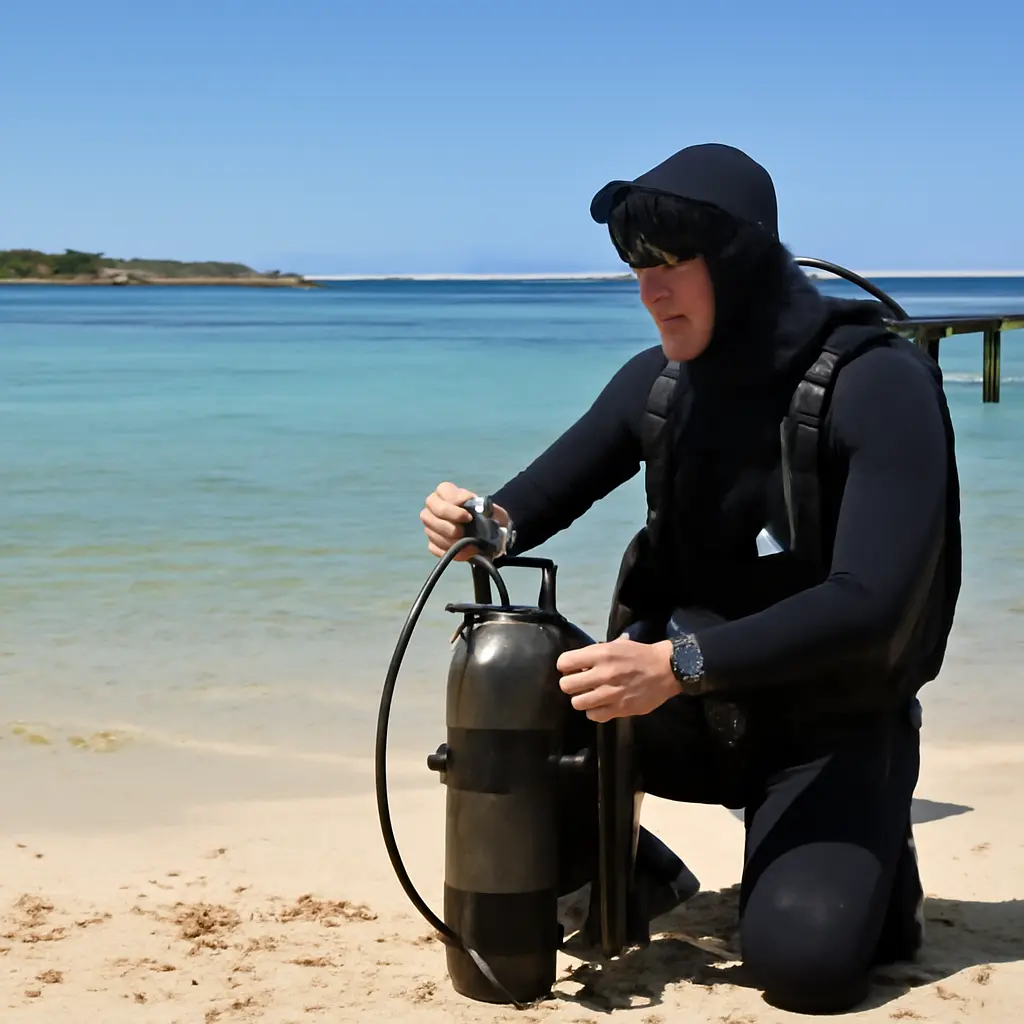
Open-water certification destinations combine suitable training conditions, accessible dive sites, and reputable instruction to help new divers build foundational skills. The best choice depends on water temperature, visibility, travel logistics, course standards, and the experience a learner wants—not simply on the most dramatic scenery. The Professional Association of Diving Instructors (PADI) describes its entry-level Open Water Diver course as a program that teaches the knowledge and skills needed to dive with a buddy; its standard course includes confined-water training and four open-water dives. Popular options range from warm-water locations such as the Florida Keys, Cozumel, and the Great Barrier Reef to destinations such as the Red Sea, where divers can pair certification with varied marine life and established dive infrastructure.
How destination conditions shape Open Water certification
An Open Water certification destination is a place where a student completes the required academic, confined-water, and open-water training with a qualified instructor or dive center. PADI and Scuba Schools International (SSI) both structure beginner training around theory, skill practice in controlled conditions, and supervised open-water dives. The credential is not a guarantee of readiness for every dive: certification depth limits, local conditions, and a diver’s recent experience still matter.
For a first course, the most useful destination characteristics are calm and predictable training sites, appropriate visibility, accessible entry points, manageable currents, and a dive operator that prioritizes student supervision. Warm water may make training more comfortable, but it is not automatically safer or easier; surge, boat traffic, strong currents, and poor weather can complicate a course anywhere. The National Oceanic and Atmospheric Administration (NOAA) notes that ocean conditions vary with weather, tides, and currents, reinforcing the need to follow local briefings and instructor judgment.
What an entry-level course includes
Most recreational Open Water courses combine independent learning or classroom sessions, confined-water practice, and open-water training dives. PADI’s published course outline specifies four open-water dives, while exact schedules and course arrangements depend on the training agency, instructor, and local conditions. Students learn core skills such as equipment use, buoyancy control, mask clearing, regulator recovery, and safe ascent procedures.
A destination can support this training in different ways. A shore-based site may allow repeated practice in shallow water, while a boat-based program can reach reefs but adds boat procedures and travel time. Before booking, confirm what is included, how many students share an instructor, whether equipment rental is covered, and what happens if weather prevents a planned dive.
How to compare training environments
Compare destinations using practical criteria rather than marketing claims. Ask the dive center about the usual training site, seasonal visibility, water temperature, currents, entry method, and backup plans. Also check the instructor’s credentials and the operator’s emergency procedures. A recognized certification agency, clear course schedule, and willingness to postpone a dive when conditions are unsuitable are important indicators of a responsible program.
The following destinations illustrate distinct advantages: convenient domestic logistics, warm-water reef training, or broader marine-life experiences. Conditions are seasonal, so a destination’s reputation should be checked against the dates of travel.
Florida Keys offer accessible reef-based Open Water certification
The Florida Keys are a strong option for learners seeking a U.S.-based course with established dive operators and access to shallow reef environments. The Florida Keys National Marine Sanctuary protects approximately 3,800 square miles of waters around the island chain, according to NOAA. That protected area includes coral reefs, seagrass beds, and mangrove habitats, although students should use designated training sites and follow local conservation rules.
Key Largo for established dive infrastructure
Key Largo is known for its concentration of dive businesses and access to reef and wreck sites. For certification, the practical benefit is choice: prospective students can compare operators, course schedules, and shore or boat arrangements. The Florida Keys’ warm-season conditions can be appealing, but visibility and sea state fluctuate with weather, and boat dives may be delayed when conditions deteriorate.
New divers should distinguish training dives from deeper recreational attractions. A famous wreck may be unsuitable for an entry-level student; the instructor should select sites based on training objectives and student ability, not sightseeing pressure. Ask whether the course includes transport to training sites and how the operator handles cancellations.
Key West for combining a course with island travel
Key West can suit travelers who want certification alongside a broader island visit. Dive centers typically use boats to reach offshore sites, so students should be comfortable with boat procedures and allow flexibility for weather. As in the rest of the Keys, reef etiquette matters: avoid touching coral, maintain buoyancy, and secure loose equipment to prevent damage.
A benefit of choosing a domestic destination is simpler travel and communication for many U.S. residents. However, airfare, accommodation, and boat fees can still make the total cost substantial. Request an itemized quote that separates instruction, certification processing, equipment, park or sanctuary fees, and transportation.
Cozumel pairs warm-water training with Caribbean reef scenery
Cozumel, Mexico, is a popular Caribbean choice for divers attracted to clear water and reef scenery. The island lies beside the Mesoamerican Reef, which the World Wildlife Fund identifies as the largest transboundary reef system in the Western Hemisphere, extending roughly 1,000 kilometers along the coasts of Mexico, Belize, Guatemala, and Honduras. That regional scale provides context for the area’s ecological importance, but a beginner course should still use sites selected for manageable conditions.
Cozumel’s reef access and current considerations
Cozumel is especially associated with drift diving, where divers move with a current rather than swimming continuously against it. This can be enjoyable for experienced divers, but it makes site selection important for students. Certification dives should take place where the instructor can supervise skills safely and where currents are appropriate for novice training. Ask the operator specifically whether beginner dives occur in sheltered or low-current locations.
The island’s reefs are part of a sensitive marine ecosystem. The National Commission of Natural Protected Areas of Mexico manages the Cozumel Reefs National Park, where conservation rules apply. Students should practice neutral buoyancy, avoid contact with coral, and follow guide instructions about marine life and protected areas.
Choosing a Cozumel course format
Travelers can complete the full course on the island or finish theory and pool sessions at home before completing open-water dives in Cozumel, if their agency and instructors accept the referral arrangement. A referral can reduce vacation study time, but students should verify that paperwork, medical forms, and course records transfer correctly between instructors.
Because many dives are boat-based, clarify departure times, boat size, and the amount of time spent traveling to training sites. Compare group size and instructor access as well as price. A low advertised rate may exclude gear, transfers, or certification fees.
The Great Barrier Reef provides iconic Australian training settings
Australia’s Great Barrier Reef is a high-profile destination for learners who want to train near one of the world’s best-known reef systems. The Great Barrier Reef Marine Park Authority reports that the World Heritage-listed marine park covers about 344,400 square kilometers. Its scale and biodiversity make it an important conservation area as well as a tourism destination.
Cairns and Port Douglas as training gateways
Cairns and Port Douglas serve as major gateways to reef trips, with operators offering a range of beginner and certification programs. Some courses use a liveaboard or multi-day boat format; others combine shore or pool training with day-boat dives. A multi-day program can provide continuity, but it also means students should be comfortable spending extended time at sea and should understand the schedule before committing.
The Great Barrier Reef is not a single uniform training site. Weather, reef location, and operator logistics influence conditions. Students should ask which reef sites are used for training and whether the itinerary allows enough time for skill practice rather than rushing between attractions.
Reef stewardship during beginner dives
Training on a globally significant reef brings an added responsibility to minimize impact. The Great Barrier Reef Marine Park Authority advises visitors to avoid touching or standing on coral and to secure equipment that could snag or break marine life. Students can treat buoyancy practice as both a safety skill and a conservation skill: controlled movement reduces accidental contact with the reef.
Seasonality matters as well. Tropical weather and marine stinger risks vary through the year, and operators provide location-specific advice. Follow local guidance on protective clothing, entry procedures, and weather-related changes rather than relying on general travel descriptions.
The Red Sea offers warm-water training and varied marine habitats
Red Sea destinations such as Sharm el-Sheikh and Hurghada appeal to students seeking warm water, established resort-based dive centers, and access to reef environments. The Red Sea is a major marine region with distinctive habitats and high biodiversity; the United Nations Environment Programme’s regional assessments describe its ecological and economic significance. As with any destination, the right training site depends on current, wind, visibility, and the student’s comfort.
Sharm el-Sheikh for resort-based dive operations
Sharm el-Sheikh has a large tourism and diving sector, making it possible to compare course formats and operators. Some programs use sheltered areas for early practice and boats for later dives. Students should confirm whether the course price includes boat access, equipment, and any applicable local fees, and should ask how the center adapts training when wind or sea conditions change.
The area also provides access to advanced sites that are not appropriate for new divers. A responsible operator will keep certification training within the student’s level and avoid presenting deep or current-exposed sites as necessary course milestones.
Hurghada for a range of course schedules
Hurghada is another widely used Red Sea gateway, with dive centers serving both resort visitors and dedicated dive travelers. Its range of providers can make comparison shopping useful, but students should assess quality rather than choosing by price alone. Look for clear briefings, suitable student-to-instructor ratios, maintained rental equipment, and a transparent plan for emergencies.
Travel advisories and local operating conditions can change. Before booking, consult current government travel guidance and confirm that the operator is operating at the intended site and date. A destination’s past reputation does not replace checking present-day logistics and safety information.
Compare destinations by training fit, not scenery alone
The best destination is the one that matches a learner’s comfort, schedule, budget, and preferred learning environment. A calm local quarry or coastal site may provide better skill practice than a celebrated reef if the latter involves rough boat travel or challenging currents. Conversely, a warm-water trip can make the course more enjoyable for students who are anxious about cold exposure or unfamiliar equipment.
- Check instructor credentials, agency affiliation, student group size, and emergency procedures.
- Ask about typical training conditions, alternate sites, and weather cancellation policies.
- Confirm whether equipment, boat transport, park fees, learning materials, and certification processing are included.
- Review medical requirements and disclose relevant health conditions before beginning training.
- Build schedule flexibility into the trip; do not plan a flight immediately after diving, and follow the instructor’s post-dive guidance.
- Consider completing knowledge development and confined-water training at home, then finishing open-water dives at the destination through an approved referral.
The table below summarizes broad destination differences; it is a planning aid, not a guarantee of conditions.
Destination comparison chart: Florida Keys—domestic logistics and established reef operators; Cozumel—Caribbean reef access with attention to currents; Great Barrier Reef—iconic, large-scale marine park with varied boat-based programs; Red Sea—warm-water resort infrastructure and a range of sites. In every case, seasonal weather and the specific training location determine actual suitability.
Conclusion: choose a destination that supports safe learning
The Florida Keys, Cozumel, the Great Barrier Reef, and the Red Sea each offer appealing settings for Open Water certification, but their value depends on the match between site conditions and a beginner’s needs. Course standards, instructor quality, manageable training conditions, and conservation practices matter more than a destination’s reputation alone. Before booking, compare the actual training sites and inclusions, check current travel and weather information, and ask how the operator responds when conditions are unsuitable. With thoughtful preparation, a first certification can build skills that support safer, more responsible diving long after the trip ends.
Sources: PADI, Open Water Diver Course, https://www.padi.com/courses/open-water-diver; Scuba Schools International, Open Water Diver, https://www.divessi.com/en/get-certified/scuba-diving/open-water-diver; National Oceanic and Atmospheric Administration, Florida Keys National Marine Sanctuary, https://floridakeys.noaa.gov/; World Wildlife Fund, Mesoamerican Reef, https://www.worldwildlife.org/places/mesoamerican-reef; National Commission of Natural Protected Areas of Mexico, Parque Nacional Arrecifes de Cozumel, https://www.gob.mx/conanp; Great Barrier Reef Marine Park Authority, About the Great Barrier Reef Marine Park, https://www2.gbrmpa.gov.au/learn/reef-facts; Great Barrier Reef Marine Park Authority, Reef visitors, https://www2.gbrmpa.gov.au/visit; United Nations Environment Programme, Regional Seas Programme: Red Sea and Gulf of Aden, https://www.unep.org/regions/west-asia/regional-seas-programme/red-sea-and-gulf-aden


