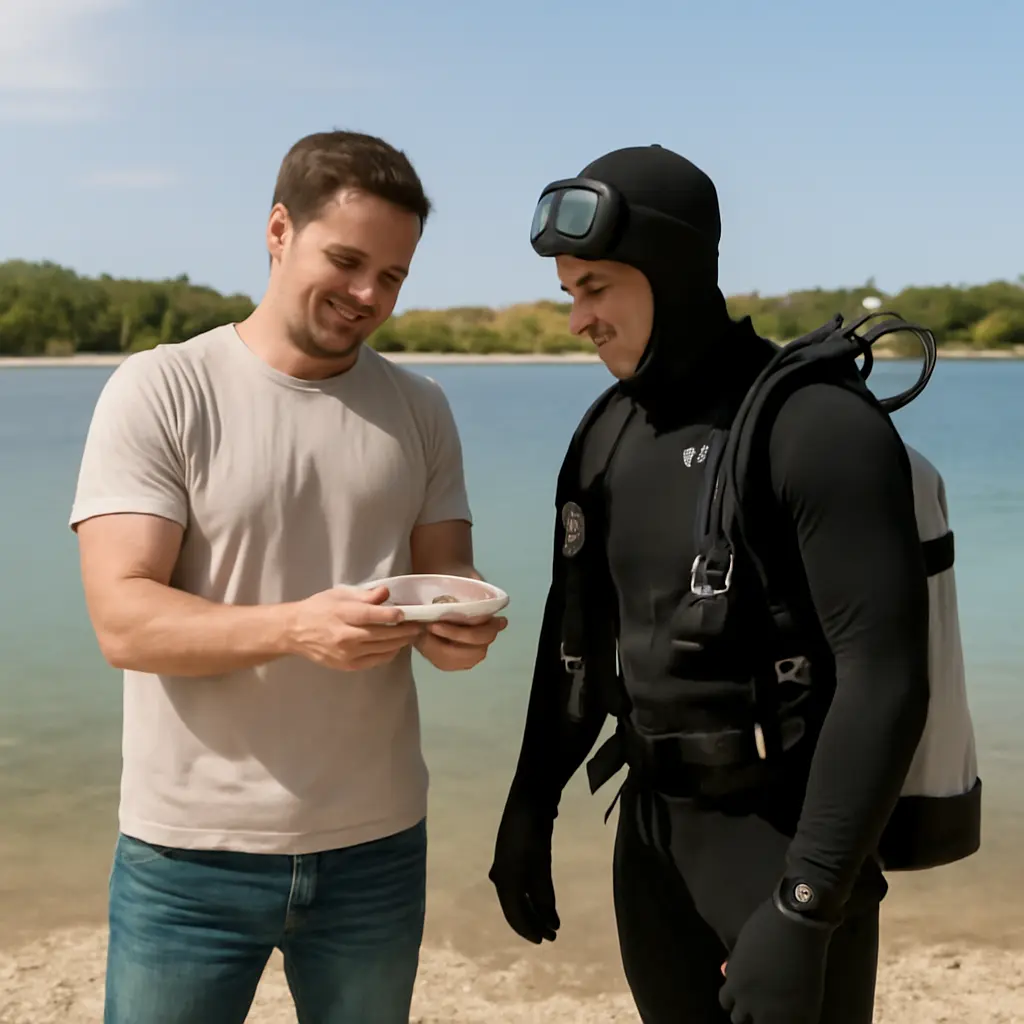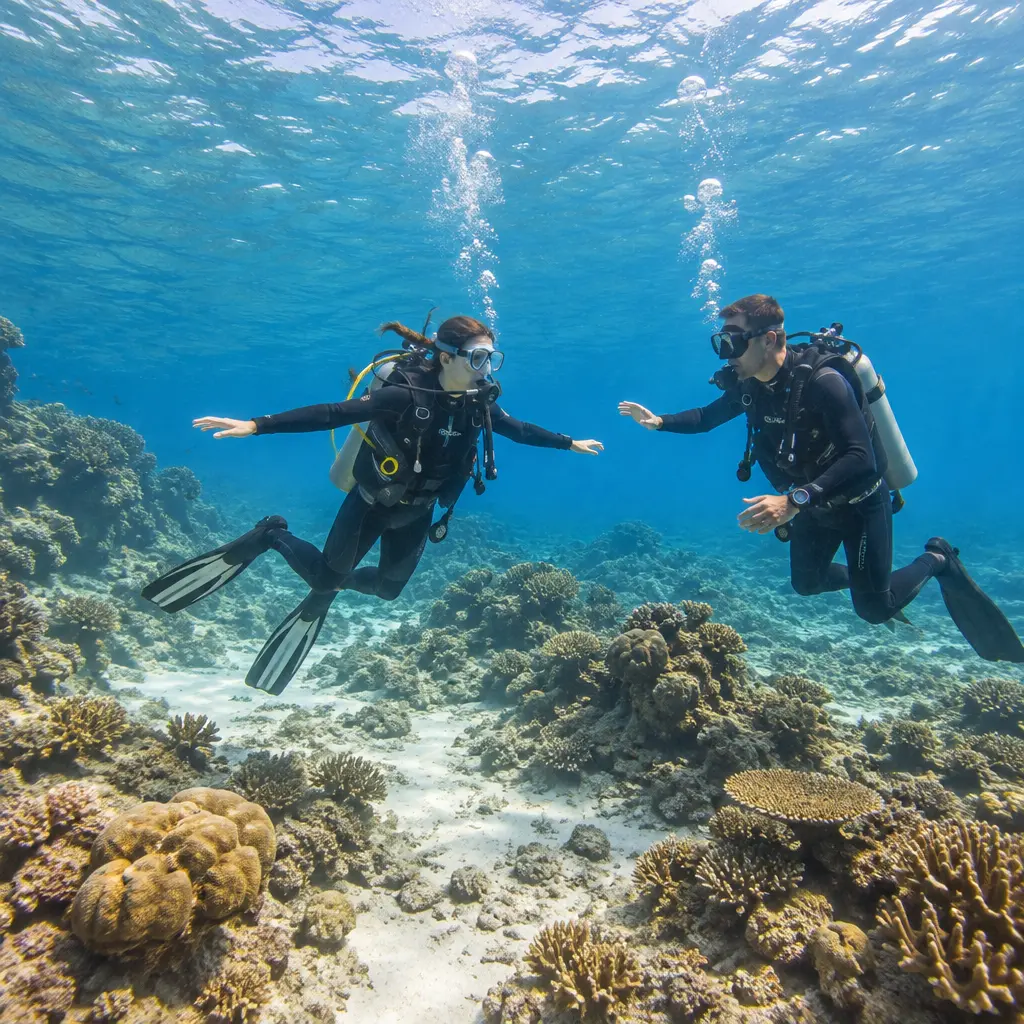
Scuba diving specialty courses build real diving skills by giving certified divers focused, supervised practice in areas such as buoyancy, navigation, night diving, deep diving, and rescue. The strongest courses pair clear prerequisites with practical dives and instructor feedback: for example, PADI’s Peak Performance Buoyancy course includes two open-water dives, while its Rescue Diver course develops skills for preventing and managing diving emergencies. These courses can make divers more capable in specific conditions, but a specialty card is not a substitute for experience, sound judgment, or training for the particular environment.
How specialty courses build practical diving skills
A diving specialty course is focused training that develops knowledge and in-water ability for a particular task, environment, or type of equipment. PADI describes its specialty programs as training for specific interests and skills; the actual requirements vary by course and training agency. In practice, the useful measure is not the name printed on a certification card, but whether the diver can demonstrate the relevant skills safely and consistently.
The need for reliable skills is underscored by diving-safety data. Divers Alert Network (DAN) reports that its annual fatality analyses examine incidents involving factors such as health, equipment, environment, and diver behavior. Such findings do not mean specialty training alone prevents accidents; they reinforce the value of preparation, appropriate limits, buddy procedures, and emergency readiness. Divers should check current course standards and local conditions because training requirements and recommended practices can change.
Specialties can be grouped by the capability they develop: control of the diver and equipment, navigation and awareness, exposure to demanding environments, and assistance to other divers. Choosing courses in that order helps build a practical foundation before adding more complex conditions.
Buoyancy and trim: control before complexity
Buoyancy training teaches divers to adjust their position in the water with breathing, weighting, and buoyancy-control equipment. Trim refers to the diver’s body position, while controlled finning helps reduce unnecessary movement and contact with the bottom. PADI’s Peak Performance Buoyancy course is one example: its published course description includes two open-water dives focused on buoyancy control.
These skills matter beyond comfort. Better control can help divers maintain depth, avoid damaging fragile habitats, conserve attention, and position themselves more effectively for a buddy or task. A meaningful course outcome is observable performance—such as hovering without sculling, holding depth during a task, and moving without stirring up sediment—not simply completing the dives.
Navigation: orientation and return-to-exit skills
Underwater navigation combines compass use with observation of natural references, planned headings, distance estimates, and communication with a buddy. A navigation specialty gives divers structured opportunities to practice routes and return procedures. Conditions such as low visibility, surge, and changing terrain can make those skills more difficult, so training should be followed by conservative practice in suitable conditions.
Navigation connects directly to dive planning: divers need to know the intended route, turn point, gas limits, and exit plan before entering the water. A course can improve the diver’s toolkit, but it cannot guarantee a correct route in every site or replace a local briefing.
How environment-specific specialties extend diver capability
Once basic control and orientation are established, environment-specific specialties introduce additional demands. These courses are valuable when their skills match the diver’s intended sites, but the diver must also account for local hazards, equipment configuration, and the limits of the course itself.
Night and limited-visibility diving
Night-diving training prepares divers to use lights, communicate with a buddy, navigate in darkness, and manage the different visual cues of a nighttime dive. The PADI Night Diver course, for example, includes three night dives. A light failure plan, clear team procedures, and a conservative route are central to safe execution.
Limited visibility is not exclusive to night diving: silt, weather, and local water conditions can reduce visibility during daytime dives. Divers should not assume that a night specialty qualifies them for overhead environments such as caves or wreck penetrations. Those settings require distinct training and equipment because a direct ascent to the surface may not be possible.
Deep diving: planning within defined limits
Deep-diving courses teach planning and procedures for dives deeper than a diver’s previous training limits, including gas management, depth awareness, and ascent planning. PADI’s Deep Diver course describes four training dives and a maximum training depth of 40 metres (130 feet), subject to applicable standards and local rules. That figure is a course limit, not a recommended target for every diver.
Greater depth reduces available time and increases the consequences of poor planning. Divers should follow their agency’s limits, stay within their demonstrated ability, and treat decompression, gas selection, and emergency planning as matters for appropriate training—not as skills acquired merely by visiting a deep site.
Wreck and dry-suit diving: specialized equipment and hazards
Wreck-diving courses commonly introduce site assessment, line awareness, buoyancy, and safe conduct around wreck structures. A non-penetration wreck dive differs substantially from entering an overhead space. Penetration can remove direct access to the surface and introduces entanglement, silt-out, and navigation risks; it calls for specialized overhead-environment training and suitable redundant equipment.
Dry-suit training addresses buoyancy and suit-management skills in colder water. A dry suit changes how gas is distributed and controlled, so divers need instruction and practice with the specific suit system they use. A specialty course can support a transition to cold-water diving, but thermal protection, exposure time, and local conditions still require careful planning.
How rescue and emergency specialties strengthen team safety
Rescue-focused courses shift attention from individual performance to the safety of the dive team. They develop recognition, communication, and response skills, while emphasizing that prevention and early intervention are preferable to a crisis. Such training complements, rather than replaces, first-aid instruction and emergency-service procedures.
Rescue Diver: prevention, recognition, and response
A Rescue Diver course trains divers to recognize stress, assist a diver in difficulty, and respond to simulated emergencies. PADI’s Rescue Diver program includes knowledge development, confined-water exercises, and open-water scenarios. Its course materials identify current CPR and first-aid training as a prerequisite, illustrating how rescue skills connect with broader emergency preparedness.
The course is most useful when followed by regular refreshers and realistic practice. A certification does not make a diver an emergency medical professional, nor does it eliminate the need to call local emergency services and follow established emergency plans.
First aid and oxygen administration
First-aid and emergency-oxygen training teaches divers how to provide appropriate initial care while help is arranged. DAN offers courses in first aid and oxygen administration for diving emergencies. These courses can help a team prepare to respond to suspected diving-related illness, but they should be taken from a recognized provider and renewed according to the provider’s guidance.
A practical team plan identifies available emergency equipment, communication methods, transport options, and the nearest appropriate medical support. Training is most effective when divers know where equipment is stored and who is responsible for each action.
How to choose a specialty course that builds lasting skills
A course’s value depends on its fit with the diver’s goals, the quality of instruction, and the opportunity to retain skills through practice. Before enrolling, compare agency standards and ask how much time is devoted to skill practice, what prerequisites apply, and what conditions the training dives will involve.
- Choose a course that matches the sites and conditions you actually plan to dive.
- Confirm prerequisites, maximum depths, required equipment, and any local restrictions.
- Ask how instructors assess performance and whether there is time for repetition and feedback.
- Check that the course distinguishes recreational training from technical or overhead-environment training.
- Plan follow-up dives to practice the skills gradually, with a qualified buddy or professional when appropriate.
For example, a diver who frequently visits shallow reefs may gain more immediate benefit from buoyancy and navigation practice than from deep-diving training. A diver preparing for cold-water trips may prioritize dry-suit instruction, while someone who wants to support a dive team may pursue rescue and first-aid training. In each case, the course should address a real capability gap rather than serve as a collection of credentials.
Conclusion: specialty courses turn interest into practiced capability
Specialty courses build real diving skills when they combine defined standards, supervised practice, and honest limits. Buoyancy and navigation establish control and awareness; night, deep, wreck, and dry-suit courses address particular environments; and rescue and first-aid training strengthen team readiness. Divers should compare course requirements, train for the conditions they expect to encounter, and continue practicing after certification. For further guidance, consult the relevant training agency and DAN, and choose an instructor who emphasizes demonstrable skills and conservative decision-making.
Sources: PADI, Peak Performance Buoyancy Specialty Course, https://www.padi.com/courses/peak-performance-buoyancy; PADI, Underwater Navigator Specialty Course, https://www.padi.com/courses/underwater-navigator; PADI, Night Diver Specialty Course, https://www.padi.com/courses/night-diver; PADI, Deep Diver Specialty Course, https://www.padi.com/courses/deep-diver; PADI, Wreck Diver Specialty Course, https://www.padi.com/courses/wreck-diver; PADI, Dry Suit Diver Specialty Course, https://www.padi.com/courses/dry-suit-diver; PADI, Rescue Diver Course, https://www.padi.com/courses/rescue-diver; Divers Alert Network, Annual Diving Report, https://dan.org/research-reports/research-studies/annual-diving-report/; Divers Alert Network, First Aid and Oxygen Administration Training, https://dan.org/health-medicine/education/first-aid-and-oxygen/